Why winter feels different
Cold air holds less moisture, and indoor heating dries the air even more. Your skin loses water faster than usual, so a moisturizer that was plenty in summer can feel thin by evening. Tight cheeks, flaky patches around the nose and chapped lips are the usual first signs.
This month’s swaps
- Cleanse with lukewarm water
Hot water feels great on a cold night but strips more oil. Lukewarm and quick is the move.
- Richer cream at night
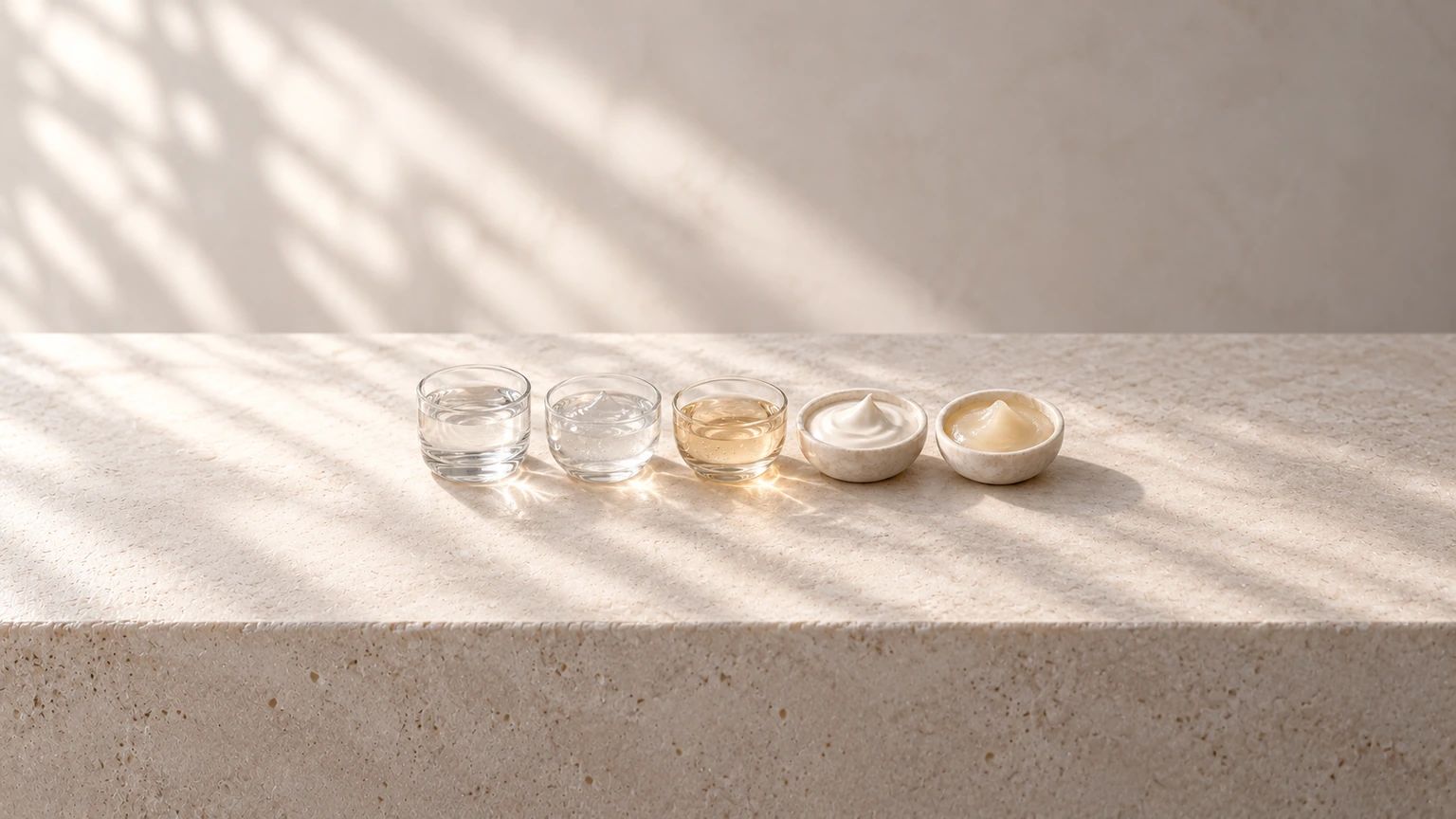
Swap a gel or light lotion for a cream moisturizer, and put it on while your skin’s still a little damp.
- Seal the driest spots
A thin layer of balm on flaky patches, plus lip balm. Optional, and handy on the coldest nights.
Running the heating a lot? A humidifier in your bedroom while you sleep puts some moisture back in the air. Just clean it often.
Sunscreen stays, even in winter
UV drops in winter but doesn’t disappear, and fresh snow bounces it back at you. On bright days, sunscreen stays your last morning step, and the UV on Today shows when it’s up where you are.
Common questions
Do I need a new product?
Not always. If your moisturizer feels thin by evening, a richer cream helps. If you don’t own one, This week’s pick on Shelf can show what to look for on the label.
When do I switch back?
When the heating goes off and your skin feels comfortable with your lighter moisturizer again. Seasonal care moves with you.
Sources
- Dermatologists’ top tips for relieving dry skinAmerican Academy of Dermatology, accessed October 18, 2026
- EmollientsNHS, accessed October 18, 2026
- Ultraviolet radiationWorld Health Organization, accessed October 18, 2026
- Sunscreen FAQsAmerican Academy of Dermatology, accessed October 18, 2026
Reviewed for content and safety by Nubia editorial team. Next review: January 2027.